The Secrets of the Šibenik Cap: A Symbol of Croatian Identity
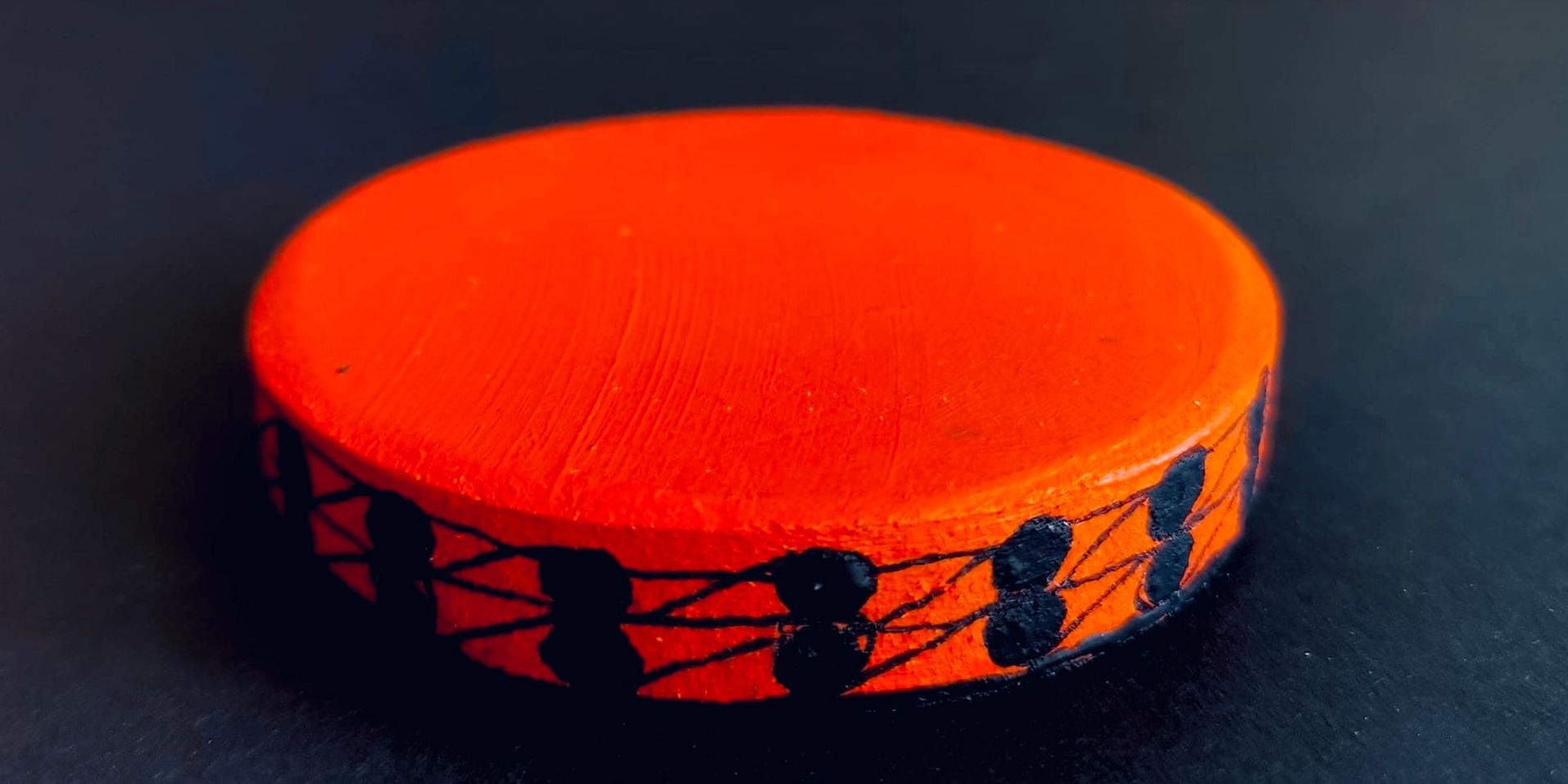
The Šibenik cap, one of the most recognizable symbols of Croatian cultural heritage, carries a rich history and tradition. Originally red but now known for its orange version, this cap is adorned with two rows of black embroidered round ornaments known as boule or bule, totaling twenty-six arranged in two rows. The shape of the boule dates back to prehistoric times when it symbolized infinity. For the people of Šibenik today, it represents persistence and defiance—characteristic traits of this region.
The Šibenik cap was worn, and still is, on formal and public occasions.
Interestingly, men in Korot used to wear it inside out, and after the death of the head of the household, the cap would be displayed on the chair where the deceased once sat.
In addition to men’s caps, traditional folk costumes also included curse kapice, worn by young girls before marriage. The cap was a symbol of peasants—farmers who worked the fields around Šibenik—but due to financial circumstances, such attire was not easily accessible to most residents. According to some stories, men would only earn the right to wear the cap after fathering a male grandson in the male line.

The more widespread use of the Šibenik cap began in the late 19th century, during political conflicts between autonomists and nationalists. During this time, the well-known Matavulj family established a workshop for producing Dalmatian folk costumes. After failing to find suitable fabric in Trieste, the owners bought coarse orange cloth. From then on, their caps became an orange symbol of the city of Šibenik and its surroundings.
Today, the Benedictine nuns of the St. Lucy Monastery, located in the old part of town on Gorica, diligently craft traditional Šibenik caps. Walking along the quiet stone street leading to the Lourdes Cave, you’ll notice a high wall and monastery gates on the right. If you knock and enter, don’t hesitate to ask about the Šibenik cap—the Benedictine nuns guard all the secrets of making this recognizable symbol.
The Šibenik cap is not just part of folk attire; it is a symbol of identity, culture, and history for Šibenik and Croatia, immortalized in the famous 15th-century frieze by Dalmatinac on Šibenik Cathedral.
Due to its cultural and historical significance, it was declared a protected intangible cultural asset of the Republic of Croatia in 2008.
This story of the Šibenik cap reveals not only a rich history and symbolism but also the immense value of preserving cultural heritage passed down through generations, making it a living witness to times past.